by womensaidscot17 | Nov 2, 2017
one thousand words is a new creative project by Zero Tolerance and ourselves in collaboration with survivors of domestic abuse.
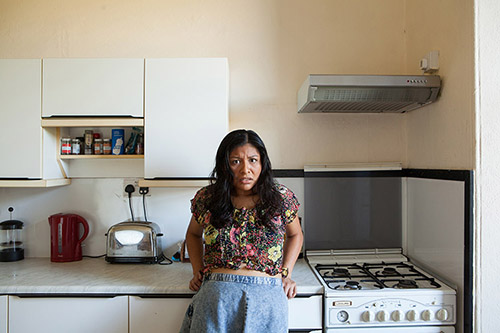
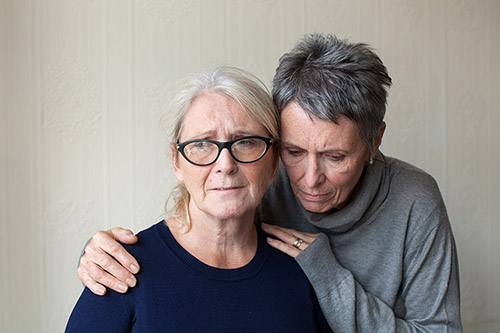
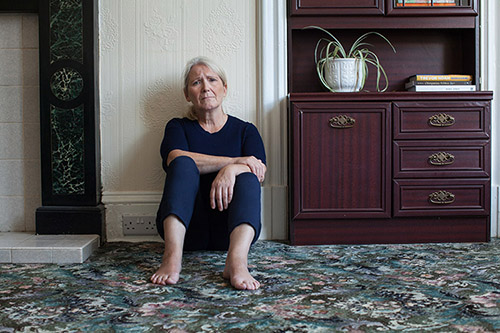
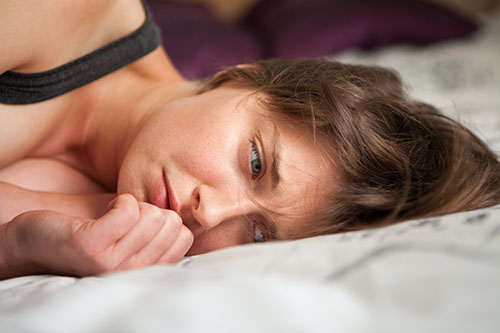
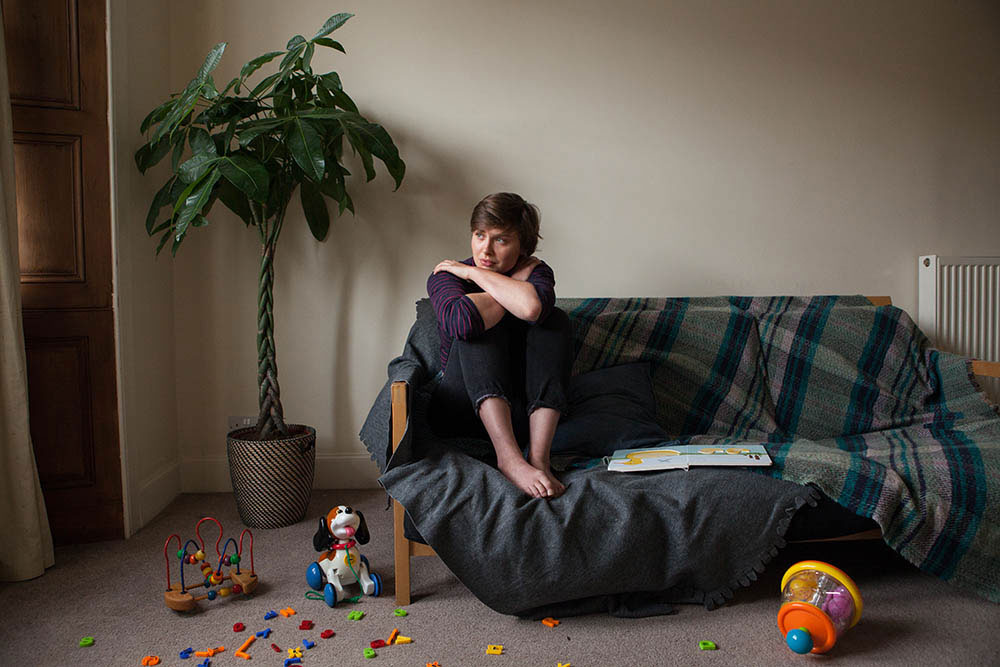
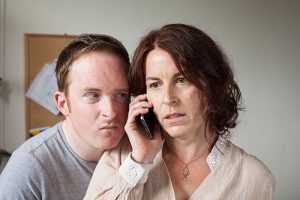
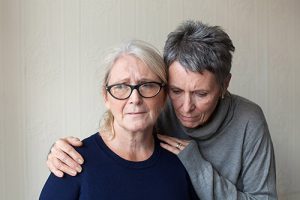
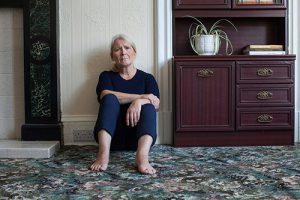
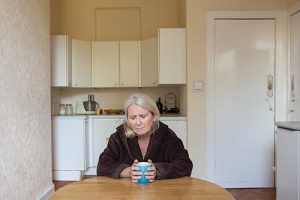
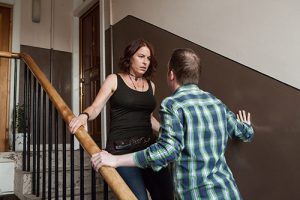
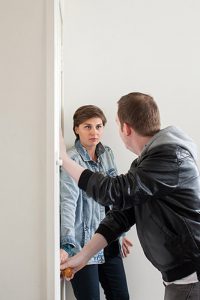
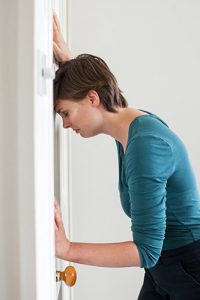
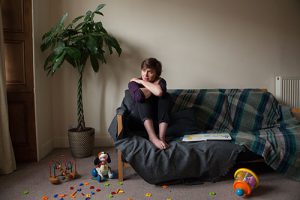
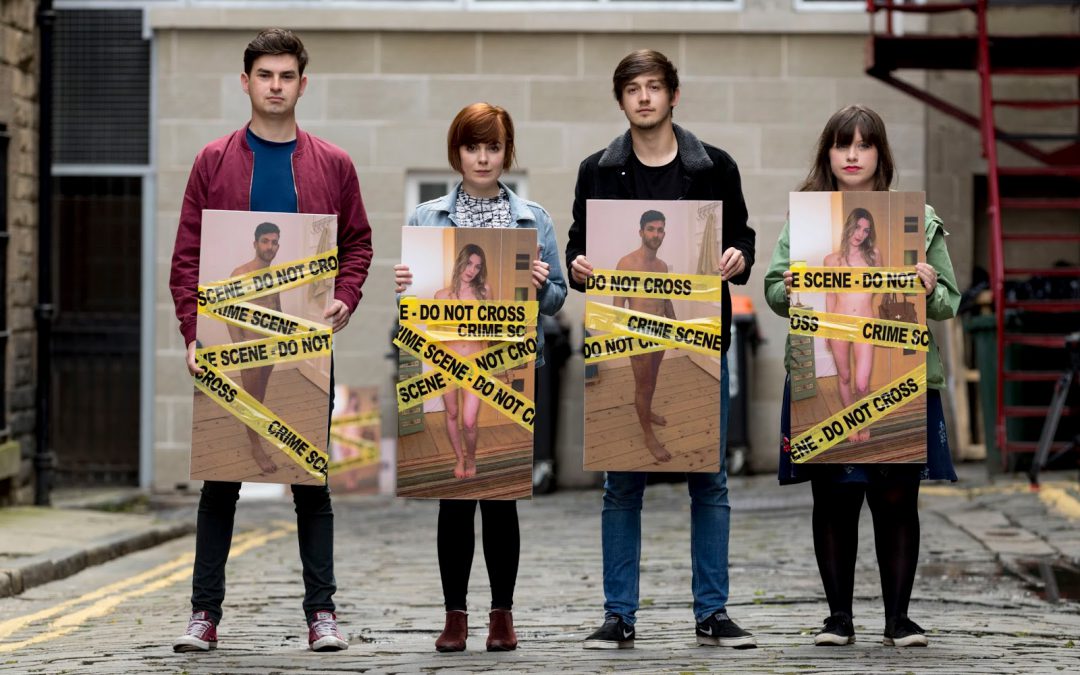
The project is a collection of 15 powerful photos of models taken by acclaimed photographer and storyteller Laura Dodsworth based on the words and experiences of women who have lived through domestic abuse.
The images created are unique; contrary to most depictions of domestic abuse they do not show bruises, or physical violence. Inspired by Scotland’s new Domestic Abuse Bill, these images are a critical step forward in raising awareness that domestic abuse is far more than physical violence. In creating these images the survivors, charities and photographer hope that women will recognise their own experiences and seek the support that is available.
On the importance of creating new images of domestic abuse, one survivor said:
“I spent a long time denying to myself I was actually being abused. It took me four years to recognise my situation.
“Bruises are the standard thing in photos of domestic abuse. There’s a theme that it looks like the man is getting angry and losing control, but often the abuser is very much in control. Abuse is also emotional, financial, verbal and being isolated. If photographs always show hitting or bruises it means that men who don’t hit absolve themselves of the label abuser because they don’t leave bruises. Also it makes people think that if a woman doesn’t have bruises she must be OK.”
At Scottish Women’s Aid we regularly hear about women who question whether their experience counts as abuse – they have no black eye, they have no burst lip.
one thousand words is important, because we desperately want people to know that there is no hierarchy when it comes to abuse; whether it’s controlling behaviour, threats, humiliation, sexual or physical violence – it all ‘counts’ and it is all real abuse.
-
-
‘one thousand words’ © Laura Dodsworth
-

-
‘one thousand words’ © Laura Dodsworth
-
-
‘one thousand words’ © Laura Dodsworth
-
-
‘one thousand words’ © Laura Dodsworth
-
-
‘one thousand words’ © Laura Dodsworth
-

-
‘one thousand words’ © Laura Dodsworth
-

-
‘one thousand words’ © Laura Dodsworth
-
-
‘one thousand words’ © Laura Dodsworth
-
-
‘one thousand words’ © Laura Dodsworth
-
-
‘one thousand words’ © Laura Dodsworth
-

-
‘one thousand words’ © Laura Dodsworth
-

-
‘one thousand words’ © Laura Dodsworth
-

-
‘one thousand words’ © Laura Dodsworth
-
-
‘one thousand words’ © Laura Dodsworth
-

-
‘one thousand words’ © Laura Dodsworth
by womensaidscot17 | Sep 11, 2017
So called ‘revenge porn’ is not about revenge, and it’s not about porn. It’s about power, control and humiliation. Sharing, or threatening to share intimate pictures or videos of someone without their consent causes devastating harm to victims.
We began campaigning on image based abuse in 2013, when very few people were aware of the scale of the problem. Our research on this showed that most victims of this crime suffered long term anxiety, and some mentioned feelings of self-harm and suicide because their intimate images were shared without their consent. The fear and anxiety it creates can creep into every corner of a victim’s life and relationships.
From July 2017, a new law in Scotland means that anyone who shares or threatens to share someone else’s intimate images or videos without their consent could face up to five years in prison. Those who choose to take a path of abusive behaviour may soon face consequences.
Visit notyourstoshare.scot to find out more.

by womensaidscot17 | Sep 11, 2017
Recently the UK Government brought out a policy that means that Child Tax Credits are only available for the first and second child. Third or subsequent children don’t get a look in except in the case of a certain few exceptions. One of these exceptions: if the child is a result of rape.
The Department of Work and Pensions claim that this rape exemption or ‘rape clause’ will only be carried out in the most ‘compassionate’ way, but the question is, can forcing a woman to disclose rape to receive welfare ever really be compassionate? For us the answer is a flat out no.
The DWP wanted us to take part. They wanted local women’s aid and rape crisis workers to sit down with women, do some maths to work out whether the date of conception matched the date of the rape and tick a box to say as much. The idea was that we’d then tell them whether or not a woman’s experience could be trusted enough to give her £7.62 a day; enough money to put food on the table, to put towards the electricity bill, maybe to buy a pair of child’s school shoes.
Alongside Rape Crisis Scotland we made the decision that we would not collude in the UK Government’s policy by acting as third party referrers. Local Women’s Aid groups are independent charities – they had to make the tough decision about whether or not to work with the DWP on this issue – but as far as we know there are still no confirmed third party referrers in Scotland.
The thing is, it isn’t just the rape clause – as horrific as that is – that is the problem here. We strongly believe that the whole Family Cap has to go. Any policy that actively and knowingly pushes women and children into poverty has no place in our society, and it is not something that we can support.
In June the High Court ruled that the Tory welfare cap is unlawful and illegally discriminates against lone parents with young children. We’d hoped this decision in itself would pressure the Government to repeal the policy, but even though the policy was described as “real misery […] being caused to no good purpose”, the UK Government plan to appeal the ruling.
In May we wrote to Damien Hinds at the UK Government with 10 urgent questions about the implementation of the Rape Clause; we’ve still not heard back.
In May we received overwhelming support in standing against and refusing to collude with the rape clause. Our opposition and resistance to this policy is not going anywhere, nor – we suspect – is that of the Scottish public, poverty organisations, children’s organisations and our sister organisations working to end violence against women and children. Watch this space.
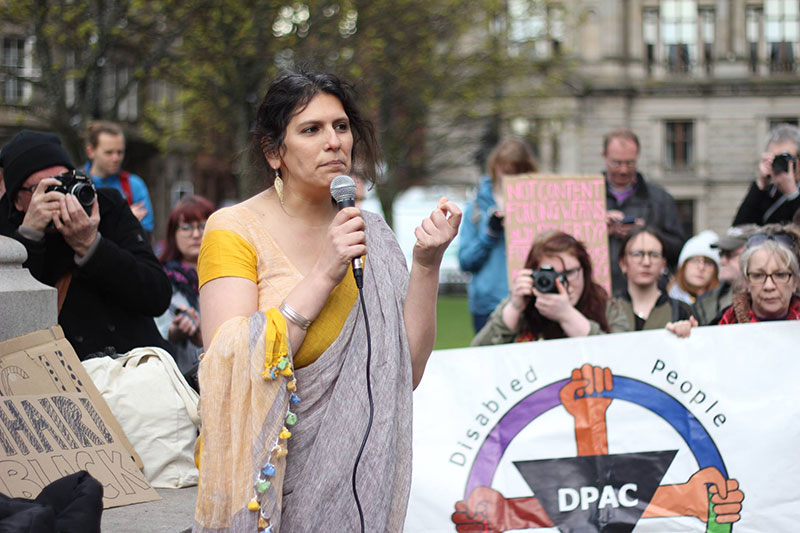
Photography: Jamie Donoghue
by womensaidscot17 | Sep 11, 2017
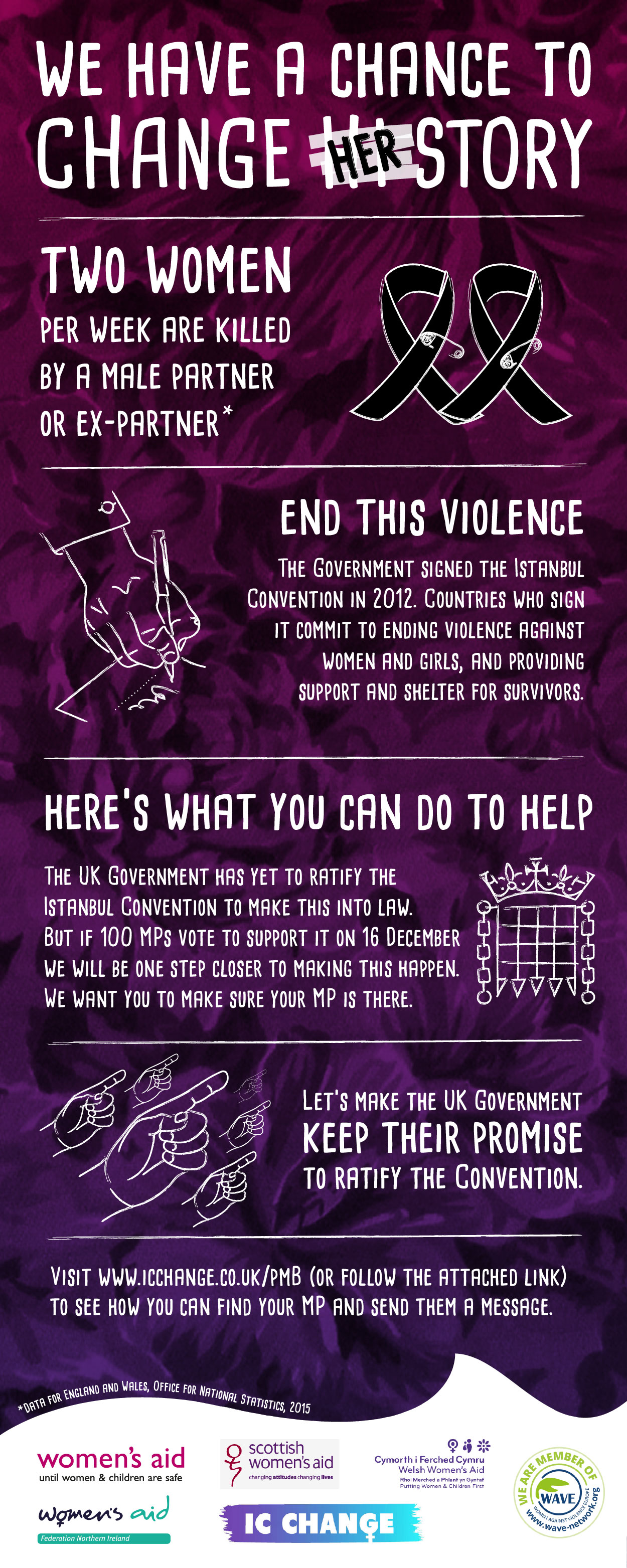
In 2016 then Member of Parliament (MP) Dr Eilidh Whiteford was given a one-off chance to change the law in Westminster, the UK Parliament. She used this opportunity to push the UK Government to make something called the Istanbul Convention into law.
The Istanbul Convention is probably the very best piece of violence against women policy that has been written ever, anywhere. Governments that sign to the Istanbul Convention sign up to provide an agreed minimum level of support for women and children experiencing domestic abuse and other gender based violence. The Convention gives charities and organisations like ours the legal tools we need to hold governments to account, so we can make sure there are good resources and support for women and children experiencing violence and abuse.
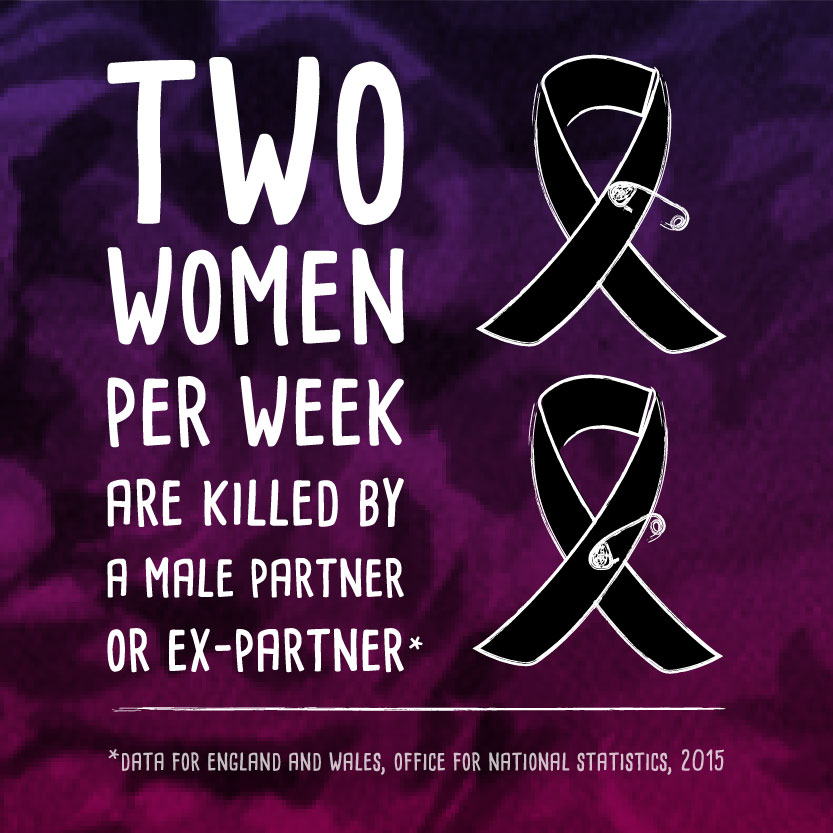
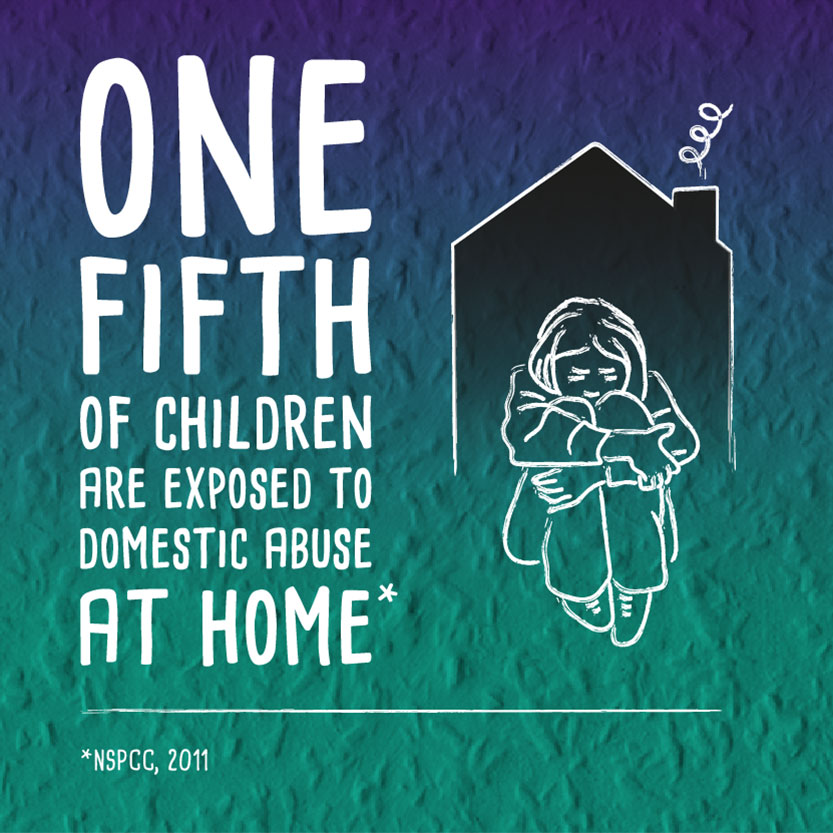
We teamed up with campaign group IC Change and the other Women’s Aid federations in Wales, Northern Ireland and England to show just how important the Istanbul Convention is.
[See full gallery of our infographic project below]
Basically, we think of the Istanbul Convention as a blueprint for how we move from small change at the corners, services that are picking up too few people, too late, to a system that is designed to end domestic abuse and violence against women.
We were part of a dynamic force that put pressure on MPs to show up and vote to #ChangeHerStory. On June 28th 2017 the UK Government announced that it will take the final step needed so that the Istanbul Convention can be ratified.
It’s not over yet; we’ll be following updates closely to make sure that the UK Government keep their promise and work to protect women, children and young people from domestic abuse. Watch this space.

by womensaidscot17 | Sep 9, 2017
Changing the story: hearing children and young people’s voices ❤
Power Up/Power Down was an exciting partnership project between Scottish Women’s Aid and the Children and Young People’s Commissioner for Scotland.
In 2016, 27 children and young people aged between 6 and 17 years old took part in a participatory project, Power Up/Power Down, supported by Glasgow Women’s Aid, Shakti Women’s Aid and East Dunbartonshire Women’s Aid. Throughout a series of sessions, they explored themes of power, children’s rights, making their voices heard in court, and how to improve the experience and outcomes for children affected by domestic abuse in family court actions relating to contact decisions.
Children and young people taking part were given an illustrated story about two children with experience of domestic abuse going through the family court system, based on real-life examples collected by Scottish Women’s Aid. Through an exploration of the story in relation to children’s rights and concepts of power, the children and young people ‘rewrote’ the story to improve the outcomes for the children in it.
The resulting new story highlights key areas for positive change and identifies recommendations for making the system better for children and young people. These recommendations have been used to directly inform our policy and influencing work around court-ordered contact.
Read the original and rewritten story below or download here.
The stories of Power Up/Power Down, along with the background of the project, have also been compiled into a series of videos which can be viewed here.

The Super Listener was designed by children and young people with experience of domestic abuse as part of the Power Up/Power Down project.
The children taking part felt it was important that all adults working with children know what makes a Super Listener, and this image was produced based on what they said.
You can download the poster and postcard Super Listener resources to use in your own work.

Content note: This resource is about domestic abuse, and may be distressing to some children and young people. In particular, Zayne and Mia’s first story may be upsetting to those who have experienced domestic abuse.
Power Up/Power Down is a participative project we ran in partnership with Children & Young People’s Commissioner Scotland
It asked 27 children and young people who have lived with domestic abuse to tell us what needs to change in Scotland’s present system of court-ordered contact.
This series of videos:
- gives a background to issues around court-ordered contact and domestic abuse in Scotland,
- explains the participative processes used in the project, and
- highlights what the children and young people thought needed to change.
Introduction
This video explains how court-ordered contact works in Scotland, explores issues that can arise around a child having their voice be heard and best interests be considered, and provides background around the Power Up/Power Down participative project.
Zayne and Mia’s story
This video shows the story that was presented to the children and young people who took part in Power Up/Power Down. The story is based on real experiences of children and young people in Scotland, and highlights issues that can arise when a court orders contact in a situation where domestic abuse has taken place.
What happens next?
This video summarises Zayne and Mia’s story, and explains how children and young people were given a chance to change it.
Changing the story
The children and young people finished Zayne and Mia’s story by telling us the changes they’d like to see in their situation. This video shows what they wanted to see happen.
Summary
This video runs through some of the most important things that the children and young people wanted to change about court-ordered contact in situations of domestic abuse.