by Brenna Jessie | Nov 23, 2017
Building Equality is an innovative
feminist employability project co-ordinated by Scottish Women’s Aid in partnership with
Close the Gap and
Engender.
The project’s goal is to challenge economic discrimination and develop effective models to improve and protect the economic independence of women experiencing domestic abuse.
Ross-shire Women’s Aid, Women’s Aid South Lanarkshire and East Renfrewshire and Edinburgh jointly with Shakti Women’s Aid are funded by the Scottish Government for two years to deliver the project. They work closely together to develop creative local solutions to women’s barriers to the paid labour market and help lift women and their children out of poverty.
Background:
Paid work can be a key contributing factor to women’s recovery from domestic abuse. Access to financial resources can increase women’s space for action, autonomy and choice, and bring more independence from the abuser. Gaining a job can also have the meaning of recovering lost aspirations and revisiting old hopes and dreams. We also recognise that domestic abuse is a consequence of women’s inequality and that consequently reducing women’s financial inequality will contribute to preventing domestic abuse in Scotland.
But we know that women face a range of barriers that may prevent them moving into or progressing in the paid labour market. At Women’s Aid we see that those barriers are often exacerbated by the experience of domestic abuse. These obstacles can include lack of childcare, appropriate work places or transport; the deliberate tactics of the abuser trying to keep a woman from paid work, and the impact of abuse on women’s ability to engage in labour market activities. There is also a lack of gender and domestic abuse competence on the side of employability services and employers to appropriately support women.
“We know that domestic abuse is both a cause and consequence of women’s inequality; by supporting women to be financially independent we are helping to create a Scotland where women, children and young people are free from poverty and domestic abuse.” – Marsha Scott, Chief Executive Scottish Women’s Aid
Our aim at Building Equality is to find out how we can change this and improve outcomes for women experiencing domestic abuse. We explore the connection between domestic abuse, gender, and paid work and make recommendations how Women’s Aid in Scotland can facilitate women’s empowerment to move into paid work and progress in their careers. At the same time, we also provide a feminist analysis of the injustice women generally and women experiencing domestic abuse specifically are facing in our economy and how both the experience of abuse and poverty rooted in the same cause: women’s inequality.
“I found more of my voice to speak up”
“This course gave me more hope and confidence for my future.”
– Participants of Building Equality group work
“I feel more in control of my life now”
– Participant of Building Equality training session
Using the knowledge gained through our work together with women experiencing domestic abuse, we are collaborating with Close the Gap and Engender to engage others, such as employers and employability service providers, to change attitudes and tackle the barriers in women’s way to financial independence.
Our mission:
We generate learning on employability, gender, and domestic abuse to:
- Facilitate the empowerment of women experiencing domestic abuse to move into paid work and progress in their careers;
- Develop effective models to improve and protect women’s economic independence in Women’s Aid services;
- Work with employers, employability service providers, and policy makers to change attitudes, challenge economic discrimination, and tackle the barriers in women’s way to financial independence.
Get in touch to find out more about Building Equality.
by womensaidscot17 | Nov 2, 2017
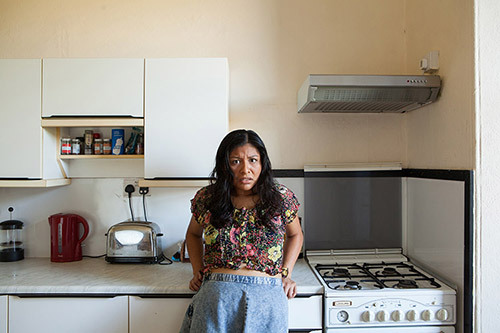
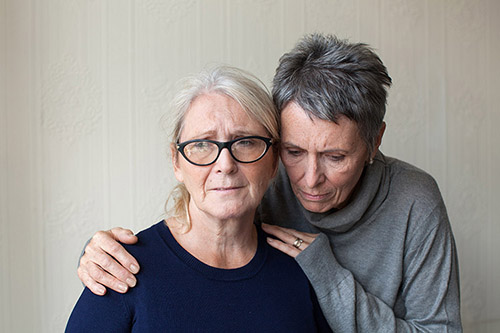
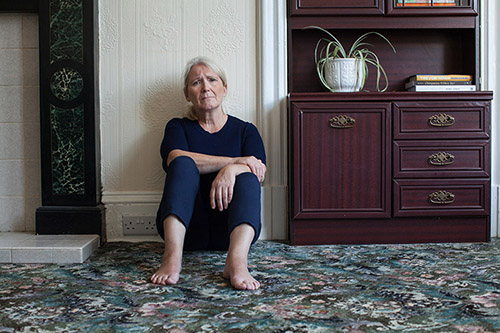
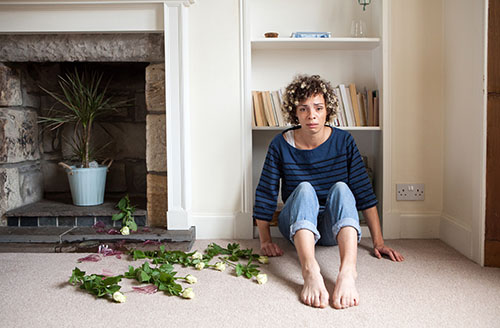
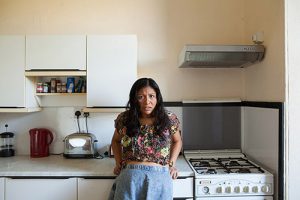
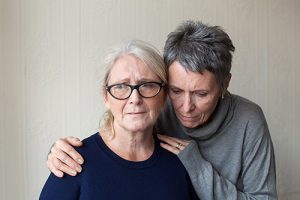
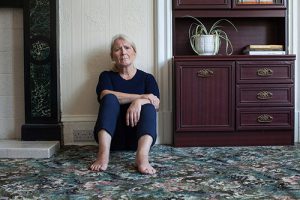
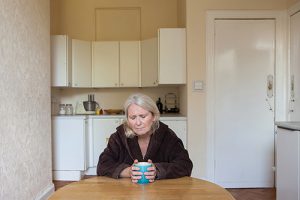
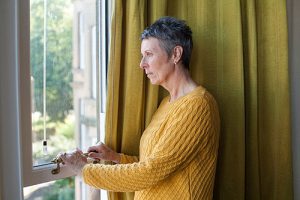
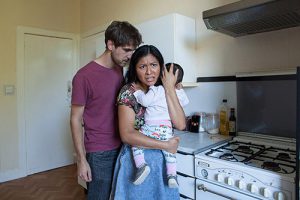
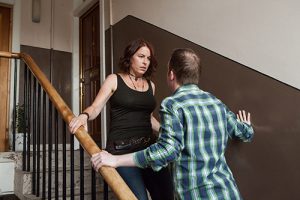
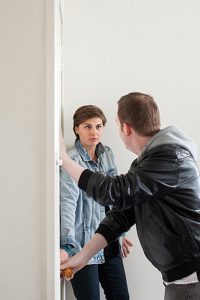
one thousand words is a new creative project by Zero Tolerance and ourselves in collaboration with survivors of domestic abuse.
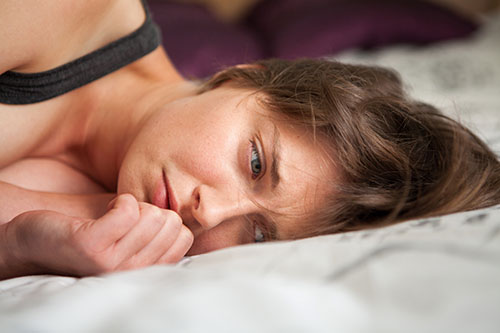
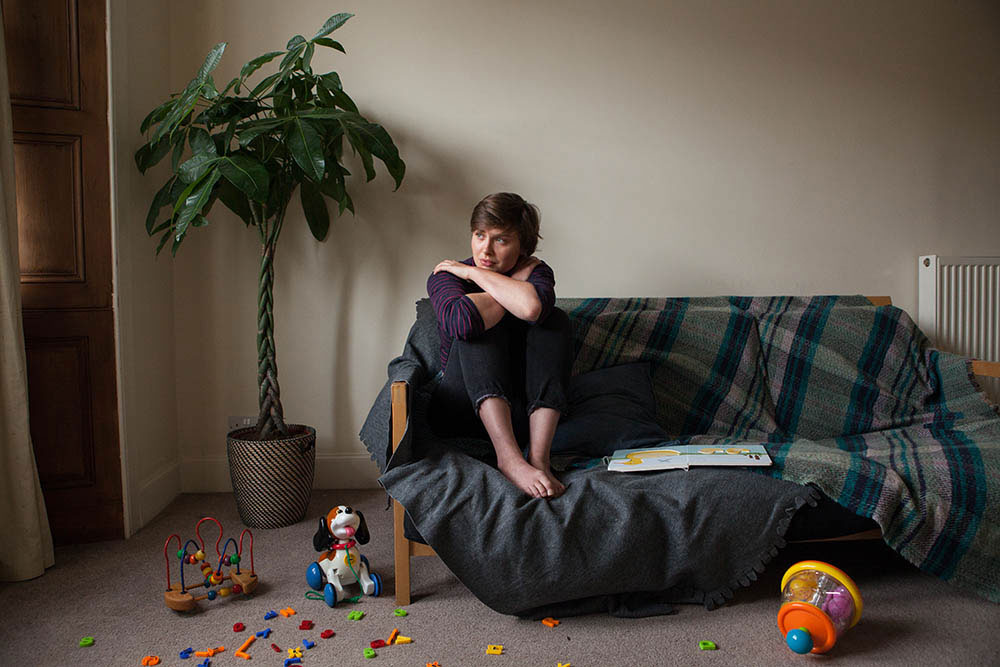
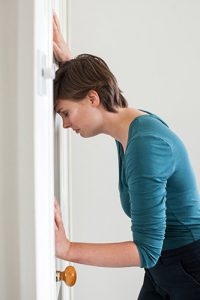
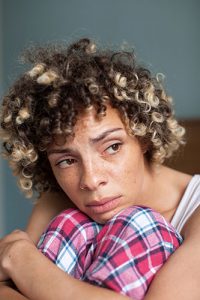
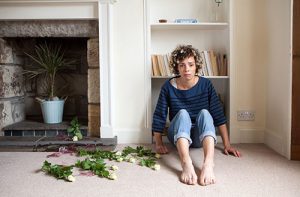
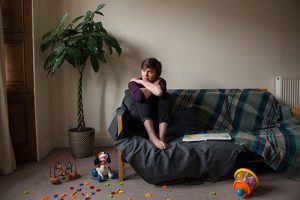
The project is a collection of 15 powerful photos of models taken by acclaimed photographer and storyteller Laura Dodsworth based on the words and experiences of women who have lived through domestic abuse.
The images created are unique; contrary to most depictions of domestic abuse they do not show bruises, or physical violence. Inspired by Scotland’s new Domestic Abuse Bill, these images are a critical step forward in raising awareness that domestic abuse is far more than physical violence. In creating these images the survivors, charities and photographer hope that women will recognise their own experiences and seek the support that is available.
On the importance of creating new images of domestic abuse, one survivor said:
“I spent a long time denying to myself I was actually being abused. It took me four years to recognise my situation.
“Bruises are the standard thing in photos of domestic abuse. There’s a theme that it looks like the man is getting angry and losing control, but often the abuser is very much in control. Abuse is also emotional, financial, verbal and being isolated. If photographs always show hitting or bruises it means that men who don’t hit absolve themselves of the label abuser because they don’t leave bruises. Also it makes people think that if a woman doesn’t have bruises she must be OK.”
At Scottish Women’s Aid we regularly hear about women who question whether their experience counts as abuse – they have no black eye, they have no burst lip.
one thousand words is important, because we desperately want people to know that there is no hierarchy when it comes to abuse; whether it’s controlling behaviour, threats, humiliation, sexual or physical violence – it all ‘counts’ and it is all real abuse.
-
-
‘one thousand words’ © Laura Dodsworth
-
-
‘one thousand words’ © Laura Dodsworth
-
-
‘one thousand words’ © Laura Dodsworth
-
-
‘one thousand words’ © Laura Dodsworth
-
-
‘one thousand words’ © Laura Dodsworth
-
-
‘one thousand words’ © Laura Dodsworth
-
-
‘one thousand words’ © Laura Dodsworth
-
-
‘one thousand words’ © Laura Dodsworth
-
-
‘one thousand words’ © Laura Dodsworth
-
-
‘one thousand words’ © Laura Dodsworth
-

-
‘one thousand words’ © Laura Dodsworth
-
-
‘one thousand words’ © Laura Dodsworth
-
-
‘one thousand words’ © Laura Dodsworth
-
-
‘one thousand words’ © Laura Dodsworth
-

-
‘one thousand words’ © Laura Dodsworth

by womensaidscot17 | Sep 9, 2017
Changing the story: hearing children and young people’s voices ❤
Power Up/Power Down was an exciting partnership project between Scottish Women’s Aid and the Children and Young People’s Commissioner for Scotland.
In 2016, 27 children and young people aged between 6 and 17 years old took part in a participatory project, Power Up/Power Down, supported by Glasgow Women’s Aid, Shakti Women’s Aid and East Dunbartonshire Women’s Aid. Throughout a series of sessions, they explored themes of power, children’s rights, making their voices heard in court, and how to improve the experience and outcomes for children affected by domestic abuse in family court actions relating to contact decisions.
Children and young people taking part were given an illustrated story about two children with experience of domestic abuse going through the family court system, based on real-life examples collected by Scottish Women’s Aid. Through an exploration of the story in relation to children’s rights and concepts of power, the children and young people ‘rewrote’ the story to improve the outcomes for the children in it.
The resulting new story highlights key areas for positive change and identifies recommendations for making the system better for children and young people. These recommendations have been used to directly inform our policy and influencing work around court-ordered contact.
Read the original and rewritten story below or download here.
The stories of Power Up/Power Down, along with the background of the project, have also been compiled into a series of videos which can be viewed here.

The Super Listener was designed by children and young people with experience of domestic abuse as part of the Power Up/Power Down project.
The children taking part felt it was important that all adults working with children know what makes a Super Listener, and this image was produced based on what they said.
You can download the poster and postcard Super Listener resources to use in your own work.

Content note: This resource is about domestic abuse, and may be distressing to some children and young people. In particular, Zayne and Mia’s first story may be upsetting to those who have experienced domestic abuse.
Power Up/Power Down is a participative project we ran in partnership with Children & Young People’s Commissioner Scotland
It asked 27 children and young people who have lived with domestic abuse to tell us what needs to change in Scotland’s present system of court-ordered contact.
This series of videos:
- gives a background to issues around court-ordered contact and domestic abuse in Scotland,
- explains the participative processes used in the project, and
- highlights what the children and young people thought needed to change.
Introduction
This video explains how court-ordered contact works in Scotland, explores issues that can arise around a child having their voice be heard and best interests be considered, and provides background around the Power Up/Power Down participative project.
Zayne and Mia’s story
This video shows the story that was presented to the children and young people who took part in Power Up/Power Down. The story is based on real experiences of children and young people in Scotland, and highlights issues that can arise when a court orders contact in a situation where domestic abuse has taken place.
What happens next?
This video summarises Zayne and Mia’s story, and explains how children and young people were given a chance to change it.
Changing the story
The children and young people finished Zayne and Mia’s story by telling us the changes they’d like to see in their situation. This video shows what they wanted to see happen.
Summary
This video runs through some of the most important things that the children and young people wanted to change about court-ordered contact in situations of domestic abuse.
by womensaidscot17 | Sep 9, 2017
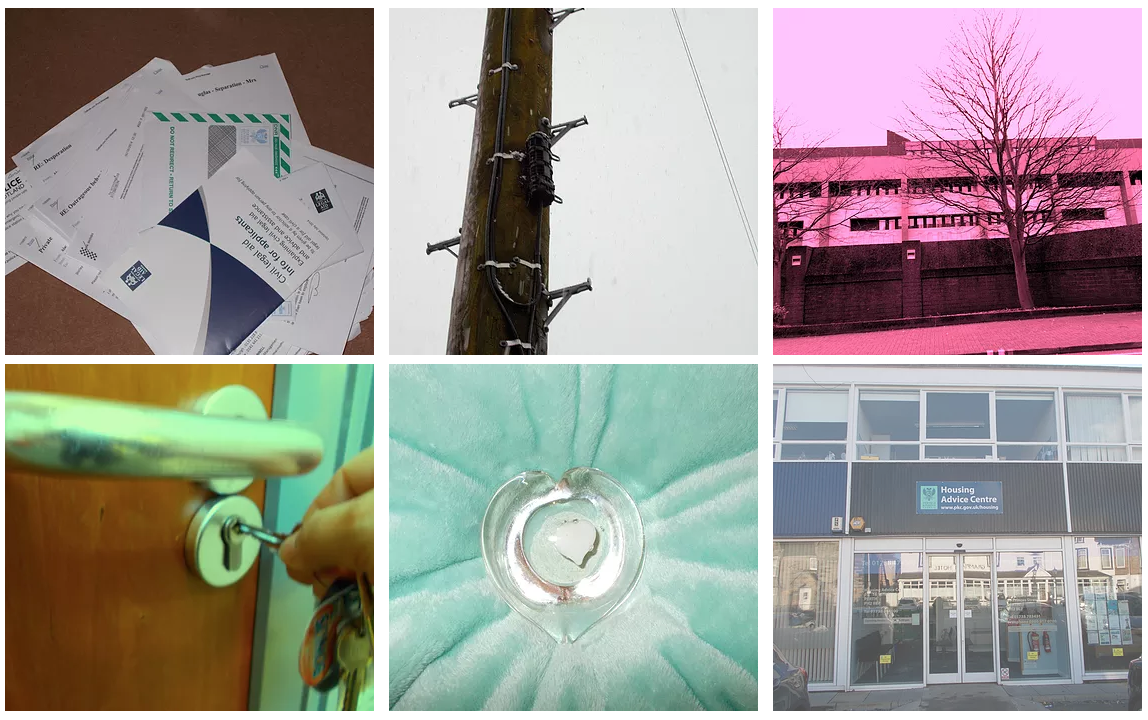
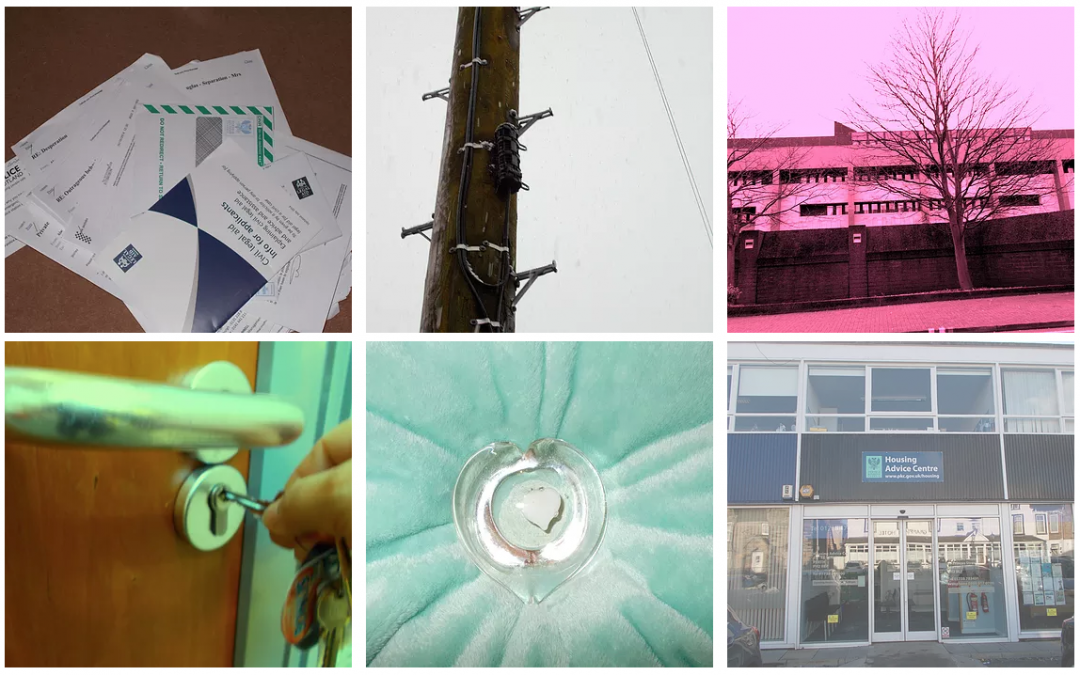
Recounting Women is a participatory photovoice project that supports women to reflect on, share and highlight issues related to their personal experiences of domestic abuse. A key theme of the project is to gather evidence of the impact that welfare reform and other austerity measures have on women’s ability to rebuild their lives. Women also wanted to highlight the other barriers they experienced in accessing justice, education, work and housing. They also wanted to show the impact of domestic abuse on their own and their children’s health and wellbeing. The project provides a unique platform for women who have experienced domestic abuse and whose voice is rarely heard in public policy making, to anonymously and creatively share information about the issues that affect them.
Visit the project website here: www.recountingwomen.co.uk
by womensaidscot17 | Sep 9, 2017
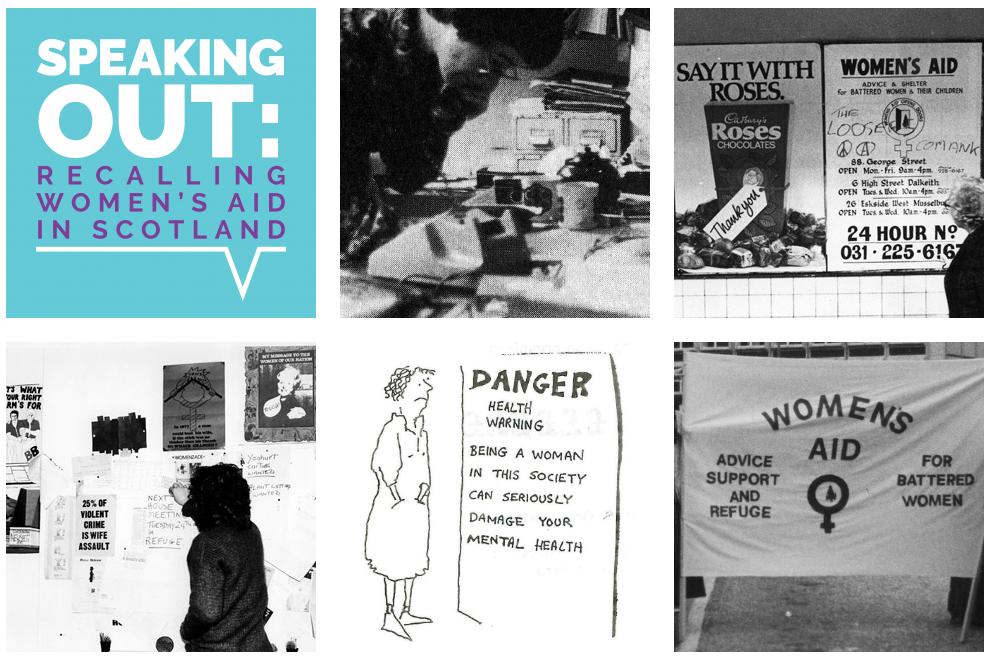
2016 marks 40 years since Scottish Women’s Aid was founded, bringing together a network of local Women’s Aid groups across Scotland. This ground-breaking movement brought about a big change in Scottish society by working to challenge and prevent domestic abuse.
To celebrate and mark this important anniversary, Scottish Women’s Aid, in partnership with Glasgow Women’s Library, Glasgow University Centre for Gender History and Women’s History Scotland, was awarded money by the Heritage Lottery Fund to record and share the history of Women’s Aid in Scotland.
Speaking Out recorded and celebrated the history of Women’s Aid in Scotland by:
To access the resources and find out more, please visit the project website by clicking here.